
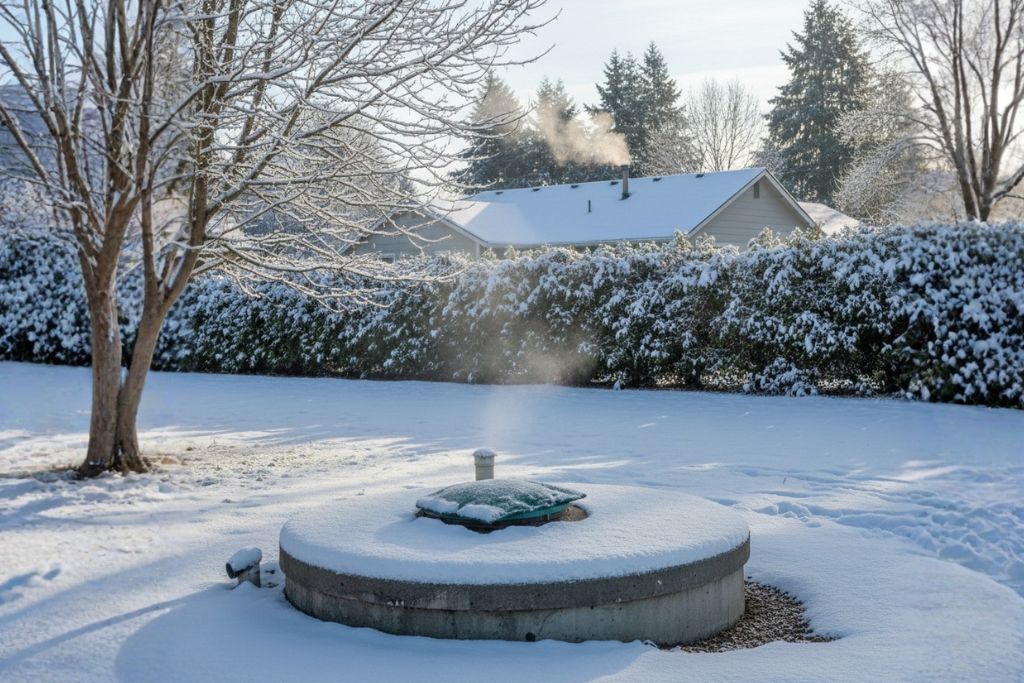
Winter in Skagit County is gorgeous—frost blanketing the fields, snow dusting the tree lines, that sharp, clean air that makes everything feel crisp. But if you’re a homeowner with a septic system, winter also means dealing with challenges that can turn into serious problems if you’re not prepared. Cold snaps that won’t quit, freeze-thaw cycles that mess with the ground, and soil that stays waterlogged for weeks—all of this beats up your septic system and Skagit County infrastructure in ways most people don’t think about until something goes wrong.
Here’s the good news: with some knowledge and the right moves like septic tank inspection, pumping, and maintenance service at the right time, you can protect your system all winter long and skip the nightmare of a septic service emergency when it’s 30 degrees outside.
This guide covers winter risks specific to Skagit County, smart prep habits, and how to catch trouble early—especially in areas like Mount Vernon, Stanwood, Oak Harbor, and Sedro-Woolley.
Understanding Winter Conditions in Skagit County
Skagit County winters don’t deliver the massive snowstorms of the mountains, but they create their own set of headaches. Freezing temperatures stick around. Moisture never really goes away. Ground frost digs deeper as the season drags on, affecting everything buried under your yard.
Here’s why this matters for your septic system:
- Cold ground slows biological breakdown in your tank—solids don’t decompose as fast when it’s freezing
- Frozen soil blocks pipes and increases backup risk
- Heavy winter rain saturates drain fields, making it harder for wastewater to disperse properly
According to the EPA’s Septic Systems Overview, biological processes in septic tanks slow dramatically once temperatures drop below 40°F. In Skagit County, where winter temps hang in the 30s and 40s for weeks, this isn’t theoretical—it’s happening to your system right now.
Your septic system isn’t built to ignore winter stress. Neither is your home’s comfort nor your wallet.
Preparing Your Septic System for Winter
Schedule a Professional Inspection
Getting an inspection before winter hits is one of the smartest moves you can make. A certified septic inspection catches problems before they blow up:
- Excessive solids that could clog pipes
- Early drain field trouble that gets worse under freezing conditions
- Leaks or weak spots that freeze faster
Skagit County septic service professionals understand local soil and seasonal risks. They’ll tell you if your system is ready or if you’re headed for trouble. Most experts say late fall is the sweet spot for inspections—well before the ground freezes solid.
Plan for Septic Tank Pumping
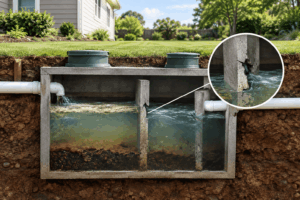
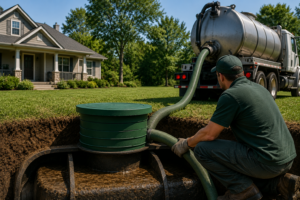
If your tank hasn’t been pumped in over three years, winter is absolutely not the time to gamble. Scheduling septic tank pumping in Skagit County removes built-up solids, lightens the load on your system during winter, and keeps drainage flowing when you need it most.
| What Pumping Does | Why It Matters in Winter |
| Clears out solids | Stops clogs when bacteria slow down in cold temps |
| Improves drainage | Takes pressure off drain fields during heavy rain |
| Prevents backups | Reduces freezing blockage risk in pipes |
| Extends system life | Less stress when conditions are harsh |
The Washington State Department of Health recommends pumping every 3-5 years. In Skagit County’s wet winters, the 3-year mark makes way more sense.
Pump before the ground freezes. Your system will thank you.
Check System Components
Walk your property. Make sure:
- Access lids are secure
- Pipes have insulation where exposed
- Vents aren’t blocked by debris or branches
These small steps matter when temperatures drop overnight without warning.
Daily Habits That Protect Your Septic System in Winter
Protecting your system isn’t a one-and-done thing. What you do every day actually matters more than most people realize.
Cut Down on Water Load
Too much water flowing into your septic system in Skagit County during winter increases the risk of freezing and saturates your drain field. Here’s how to dial it back:
- Spread laundry out across the week instead of doing 5 loads on Saturday
- Don’t run the dishwasher, washing machine, and shower all at once
- Fix leaks immediately—a slow drip adds gallons over time
Be Careful What Goes Down Drains
Food scraps, grease, and other materials that don’t break down are always bad for septic systems. In winter, when bacteria slow down, they’re even worse. Trash it instead of flushing or washing it down.
Add Insulation to Exposed Areas
Once the ground starts cooling, add mulch or straw over your drain field if you can do it safely. This natural layer works like a thermal blanket, slowing frost penetration and helping maintain some bacterial activity in the soil.
Protecting Pipes and Drain Fields from Freezing
Pipes near the surface are sitting ducks once temperatures hover at or below freezing for days.
Insulate Your Pipes
Any exposed pipes between your house and septic tank need insulation. Foam pipe wraps from the hardware store work great and don’t cost much. Focus on:
- Crawl space pipes
- Foundation connections
- Above-ground access points
Cover Your Drain Field
Spread 6–12 inches of straw or mulch over the drain field. It slows frost from digging into the soil. Just make sure the material breathes—don’t use plastic tarps. They trap moisture, which makes things worse.
Keep Heavy Stuff Off the Drain Field
No vehicles or heavy equipment on your drain field in winter. Compacted soil kills drainage and creates uneven freezing, which damages your system.
Warning Signs of Winter Septic Trouble
Catch trouble early, and you save yourself a ton of money and headache. Call for emergency septic service in Skagit County if you notice:
Slow drains or gurgling noises
Water backing up or weird sounds indicate freezing or developing blockages.
Bad smells near your tank or drain field
Your system isn’t flowing right, and wastewater is pooling somewhere it shouldn’t.
Wet ground around the tank when it’s freezing
Points to backup or drain field failure—especially bad when temps are below freezing.
Lids are shifting or looking disturbed.
Frost heaving can move components around. Don’t ignore this.
| What You See | What’s Probably Happening | What You Should Do |
| Sinks gurgling | Pipes freezing or slowing down | Call for inspection now |
| Wet spots over the drain field | Backup or saturation | Get emergency service |
| Sewage smell outside | Drainage not working | Need a professional assessment |
| Toilets flushing slowly | Bacteria slowed or blockage forming | Schedule septic maintenance in Skagit County |
Don’t wait until you see these. Winter septic problems escalate fast and get way more expensive the longer you ignore them.
When to Call a Septic Professional in Skagit County
Some situations need experienced hands. Call a pro if:
- You think there’s a blockage or backup starting
- Your system hasn’t been inspected in over a year
- You’re buying or selling property (inspections matter)
- You’re not sure your system can handle an incoming cold snap
Gateway Septic Service has been serving Skagit County since 1976. We handle everything from septic inspections and maintenance in Skagit County to septic tank pumping, repairs, and installations. Our team knows the area’s unique winter challenges inside and out—and they have the equipment and experience to keep systems running even when conditions are brutal.
Quick Winter Septic Checklist
| Task | When | Why |
| Professional inspection | Late fall | Catches problems before freeze |
| Septic pumping | Before ground freezes | Removes solids, improves flow |
| Insulate exposed pipes | Before first freeze | Prevents pipe damage |
| Add mulch to the drain field | Early winter | Slows frost penetration |
| Reduce water usage | All winter | Prevents saturation and freezing |
Final Thoughts: Winter-Ready Means Stress-Free
Nobody wants to deal with a septic emergency at 2 AM when it’s 25 degrees outside and the ground’s frozen solid. Protecting your septic system in Skagit County isn’t complicated—but it does require planning ahead and working with people who know what they’re doing.
Get your septic inspection scheduled, and arrange for professional septic tank pumping in Skagit County with a credible firm like Gateway Septic Service before winter really hits. Build daily habits that reduce strain. And know the warning signs so you can act fast if something goes sideways.
Your septic system is part of your home’s foundation—literally. Its condition affects your comfort, safety, and property value. With the right care and local expertise from pros who actually understand Skagit County winters, you can enjoy the season without worrying about what’s buried under your yard.
Need expert winter protection for your septic system?
Contact Gateway Septic Service at 360-826-5520 for trusted guidance, maintenance plans, and professional septic tank inspection, pumping, and maintenance service across Skagit County, including Mount Vernon, Stanwood, Oak Harbor, and Sedro Woolley.
Don’t wait until you’re dealing with frozen pipes and backed-up drains—get ahead of winter now.