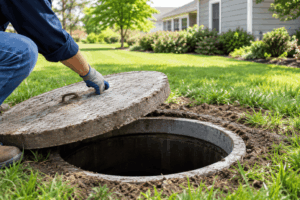

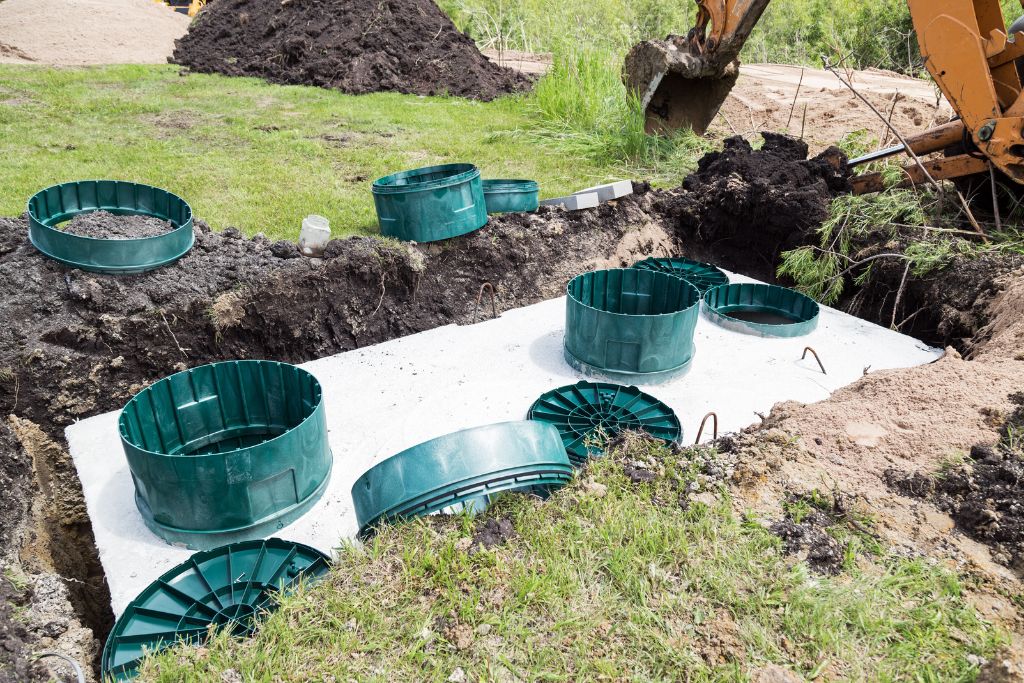
Most people think of septic systems as just holes in the ground—something you forget about until disaster strikes. That couldn’t be further from reality.
Your septic system is actually a living, breathing underground ecosystem that quietly protects your home, keeps your property valuable, and shields the local environment from contamination. Once you understand how septic systems work and separate fact from fiction, you’ll save yourself thousands in repairs and keep things running smoothly for 30+ years.
Living in Mount Vernon, Stanwood, Oak Harbor, or Sedro-Woolley? This guide walks you through the basics of septic systems without drowning you in technical mumbo-jumbo.
Let’s jump in.
How Septic Systems Really Work
Before we get to the shocking stuff, let’s cover what’s actually going on under your lawn right now.
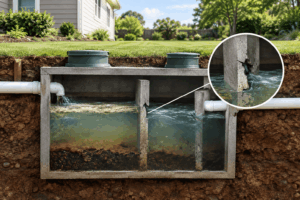
Think of your septic system as your property’s personal wastewater treatment plant.
| Component | What It Actually Does |
| Septic Tank | Collects everything from your home, allowing heavy solids to settle while bacteria begin breaking down waste. |
| Bacteria | Microscopic workers that digest organic waste around the clock, preventing sludge from building up too quickly. |
| Drain Field (Leach Field) | Distributes treated liquid into the soil, where it’s naturally filtered and cleaned. |
The three-step process:
- Everything from your toilets, showers, and sinks drains into your septic tank and drain field setup
- Solid waste settles at the bottom while septic system bacteria break down what they can
- Clean liquid filters through the drain field into the surrounding soil
That’s the septic system explained in plain English. Miss any of these steps or skip maintenance, and you’re headed toward a messy (and expensive) nightmare.
Surprising Facts About Septic Systems
Most septic tank facts you hear are either boring or flat-out wrong. Here’s what actually matters.
Your Septic System Could Outlive Your Mortgage
People assume septic systems just give out after 10-15 years. Not even close.
Treat it right, and your system will run strong for 30–40 years—sometimes hitting 50. The EPA confirms that regular septic system maintenance is what separates systems that last from systems that fail early.
What actually extends septic system lifespan:
| What You Do | Why It Matters |
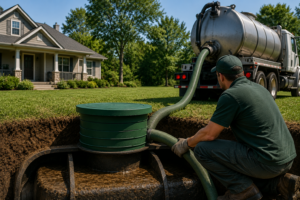
| Pump every 3–5 years | Prevents sludge from reaching and permanently clogging your drain field. |
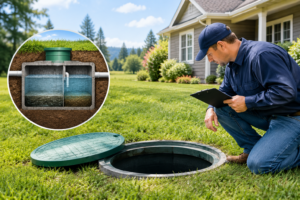
| Get professional inspections | Catches small issues early, before they turn into expensive repairs. |
| Watch your water usage | Keeps the system from being overloaded by too much water at once. |
| Only flush the right stuff | Protects beneficial bacteria so they can break down waste properly. |
Gateway Septic Service usually recommends scheduling service every 3-5 years, depending on how many people live there and how much water they use daily.
Not Everything Breaks Down in the Tank
Here’s the wake-up call: your septic tank doesn’t make everything disappear.
Bacteria only digest organic material. Everything else—wet wipes, paper towels, grease, feminine products—just sits there. It builds up as layers of sludge and scum. Eventually? It pushes into your drain field and blocks everything up.
That’s why pumping isn’t negotiable. You’re physically removing the junk that’ll never break down on its own.
Water Overload Kills Systems Fast
Your septic system processes waste, sure—but it’s really managing water flow.
Dump too much water in too fast, and you get:
- A flooded drain field that can’t absorb anything
- Stressed-out bacteria that stop breaking down waste
- Backups that send sewage into your house
Picture a small creek. It handles steady rain just fine. But a flash flood? Total chaos.
Quick fixes that help:
- Space out laundry days instead of doing 6 loads Saturday morning
- Fix dripping faucets and running toilets
- Swap in low-flow showerheads and toilets
These small tweaks can add 5-10 years to your system’s life.
The Real Numbers Behind Septic System Failures
Here’s something most homeowners never hear: the EPA estimates that nearly 1 in 5 households in the United States depends on septic systems for wastewater treatment—that’s over 26 million homes. Yet many of these systems are silently failing.
What actually causes septic failures:
| Failure Cause | Percentage of Cases | Factors Affecting Repair Cost |
| Lack of regular pumping | 42% | Tank size, accessibility, and severity of sludge buildup |
| Excessive water usage | 28% | Extent of drain field damage and soil saturation levels |
| Flushing non-biodegradable items | 18% | Location of pipe blockages and number of clogs |
| Poor initial installation | 8% | Need for full replacement and permitting requirements |
| Tree root intrusion | 4% | Root spread and severity of pipe damage |
The shocking part? Most failures could’ve been avoided with regular maintenance and better everyday choices.
Common Septic Myths vs Real Facts
Time to bust some myths with actual septic system facts.
| What People Believe | What’s Actually True |
| “Only old systems have problems” | Even brand-new systems can fail from overuse or flushing the wrong items. |
| “A little stink is no big deal” | Any odor is a warning sign—often caused by struggling bacteria, clogs, or failing components. |
| “All septic companies do the same thing” | Reputable companies like Gateway Septic Service create custom care plans based on soil conditions, household size, tank age, and daily usage habits. |
Warning Signs You’re Probably Ignoring
Catch these early, and you’ll dodge massive repair bills:
- Every drain in your house suddenly runs slowly
- Weird gurgling sounds when you flush or run water
- Super green grass over your drain field (even during dry spells)
- Soggy spots or puddles in your yard for no reason
- Sewage smell anywhere near your house
- Actual backup coming INTO your home
See any of these? Call someone immediately. A pro can check sludge levels, test bacterial health, and fix small issues before they turn into emergencies.
Gateway Septic Service does thorough inspections that find hidden problems early—saving you from five-figure disasters later.
Why You Should Actually Care About This
Three reasons your septic system deserves real attention:
It’s Worth Real Money
A working system:
- Keeps your property value up (buyers walk away from failing systems)
- Prevents sewage from backing up into your bathrooms
- Saves you thousands of dollars in emergency repairs
Regular maintenance isn’t spending money—it’s preventing catastrophe.
It Protects Everyone Around You
According to EPA data, failed systems contaminate groundwater that feeds into drinking wells, pollute local streams and lakes, and damage ecosystems that can’t recover easily.
When you understand your system, you’re protecting your neighbors, too.
One Less Thing to Stress About
Know your system works? That’s one major headache off your list.
Why Professional Help Actually Matters
Good septic care isn’t just about pumping—it takes experience, attention to detail, and solutions built for YOUR property.
What Gateway Septic Service offers to homes in Mount Vernon, Stanwood, Oak Harbor, Burlington, and Sedro-Woolley:
- Professional pumping that clears sludge before it wrecks your drain field
- Real inspections that catch problems you’d never notice
- Solid installation and repair work that lasts
- Custom septic system maintenance plans designed around YOUR usage
We’ve been doing this since 1976—combining decades of local knowledge with modern techniques that extend system life and protect your investment.
Final Word: Know Your System, Skip the Nightmare
Your septic system is down there working every single day—using bacteria and soil to clean wastewater with zero drama. Ignore it, and problems don’t vanish. They just get worse and more expensive.
Knowing septic system basics, recognizing warning signs early, and understanding these facts gives you control. You’ll recognize what’s normal and when to call for help.
For homeowners in Oak Harbor, Mount Vernon, Stanwood, Sedro-Woolley, Burlington, and surrounding areas, working with experienced professionals makes all the difference.
Protect your home and your wallet.
Call our team today at (360) 826-5520 to schedule your inspection, maintenance, or pumping today.