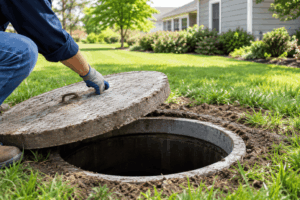

There is a system buried under your yard right now that is processing every drop of wastewater your household produces. You probably haven’t thought about it once this year. That’s not a bad thing; it’s just how septic systems work. They’re invisible until they’re not. And when they stop working, the consequences hit fast: foul odors, sewage backups, a failed drain field, and groundwater contamination that doesn’t undo itself. Years of neglect don’t give you a heads-up; they charge you all at once.
At Gateway Septic, we believe the best time to protect your system is before it ever gives you a reason to worry.
This blog breaks down the real reasons septic systems fail prematurely, the hidden factors that determine how long yours will last, and the low-cost habits that make the biggest difference, backed by research, not guesswork.
Why Septic System Maintenance Matters
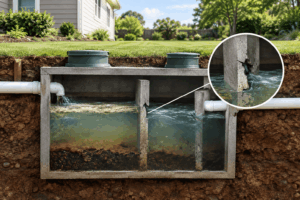
Every day, your septic system quietly treats and spreads out all the wastewater your home makes. It’s one of the most important systems in your home, but not many people know how it works.
Here’s what the research actually says: A properly maintained septic system may last between 25 and 40 years. A neglected one can fail in under 10. According to a study of over 2,800 septic systems, half the drain fields in systems with moderate soil conditions failed within 15 to 25 years. The difference between the ones that lasted and the ones that didn’t? Maintenance.
Septic tank maintenance isn’t optional; it’s the single most controllable factor in your system’s lifespan. Skipping it doesn’t save money. It just moves the cost forward and multiplies it.
Why Some Septic Systems Last 30 Years While Others Fail in 10
Two neighbors. Same neighborhood. Same general soil. One system lasts 35 years; the other fails in 12. This isn’t bad luck; it’s the result of making bad choices every day.
The hidden factors that decide your septic system’s lifespan are:
| Factor | Impact on Lifespan |
| Tank material (concrete vs. steel) | Concrete lasts 40+ years; steel corrodes in 15–20 years |
| Pumping frequency | Irregular pumping overloads the drain field, often the first to fail |
| Household water volume | Overloading the system daily shortens the drain field’s life significantly |
| What enters the drains | Chemicals, grease, and solids kill bacteria and clog pipes |
| Soil type | Clay soils restrict absorption; sandy soils allow better drainage |
| Drain field protection | Compacted soil from vehicles or foot traffic restricts oxygen, killing treatment bacteria |
Most of these factors are in your control. That’s the point. Septic system care is less about expensive interventions and more about consistent, informed habits.
A septic system doesn’t fail all at once. It fails slowly, one ignored warning, one harsh chemical, and one missed pump-out at a time.
Common Causes of Septic System Damage
Understanding what damages a system is just as important as knowing how to protect it.
The causes are not usually dramatic; they are quiet and build up over time.
The Low-Cost Habits That Quietly Extend Your Septic System’s Lifespan
The most effective septic system maintenance tips don’t require spending much at all. They require awareness.
- Stop treating your drains like a trash can: Flushing “flushable” wipes, paper towels, cotton balls, or medication is one of the fastest ways to accelerate system decline. These materials don’t break down in the tank. These things don’t break down in the tank. They build up, block the outlet, and push solids into the drain field, where they don’t belong and can’t be removed without a lot of work.
- Protect your bacterial ecosystem: Your septic tank functions because of bacteria. Pour bleach, antibacterial soap in large quantities, or chemical drain cleaners down your drains regularly, and you kill the very organisms keeping your system alive. There are many septic-safe products that are easy to find and cost no more than regular ones.
- Spread out water use: Running multiple loads of laundry in a single day sends a surge of water through your system that it isn’t designed to absorb all at once. Space laundry across the week. Fix leaking toilets right away. A toilet that runs can quietly send hundreds of gallons into your system every day, which can slowly overwhelm it.
How to Protect Your Drain Field
The drain field is the part of your system that is most likely to break down and cost the most to repair or replace. There aren’t many options, and the costs are high once it breaks.
- Never park vehicles or equipment over the drain field. Soil compaction cuts off oxygen, killing the aerobic bacteria that treat wastewater before it reaches groundwater.
- Keep deep-rooted trees and shrubs away from the area. Roots are relentless; they look for water and will get into pipes, making cracks and blockages that are hard to find until they cause a lot of damage.
- Redirect roof gutters, surface runoff, and drainage systems away from the drain field. Saturated soil can’t absorb and treat effluent properly.
- Know where your drain field is. This seems obvious, but a lot of homeowners only find out after a contractor drives over it
Warning Signs Your Septic System Needs Attention
Septic systems communicate before they fail. Most homeowners miss the early signals.
Watch for:
- Slow drains across multiple fixtures, not just one sink
- Gurgling sounds in pipes or toilets when water is used elsewhere
- Foul odors indoors or near the tank and drain field
- Unusually green, lush grass patches over the drain field, often a sign of effluent surfacing
- Wet or soggy ground near the tank in dry weather
- Sewage backup in the lowest drains of the home
None of these signs should be waited out. A service call is made to fix problems that are still in their early stages. Excavators are used to fix problems that come up later.
Preventive septic care isn’t an expense; it’s the decision that makes every other expense smaller.
When to Call a Professional
Some habits for taking care of things are part of your daily life. Some need a licensed professional, and it’s important to know the difference.
Call a septic professional when:
- Your tank hasn’t been pumped in 3 or more years
- When buying or selling a property, an inspection is usually required
- When you notice any of the warning signs above
- There’s been unusually high water usage over an extended period
- You suspect root intrusion, structural damage, or a drain field issue
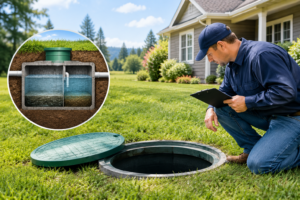
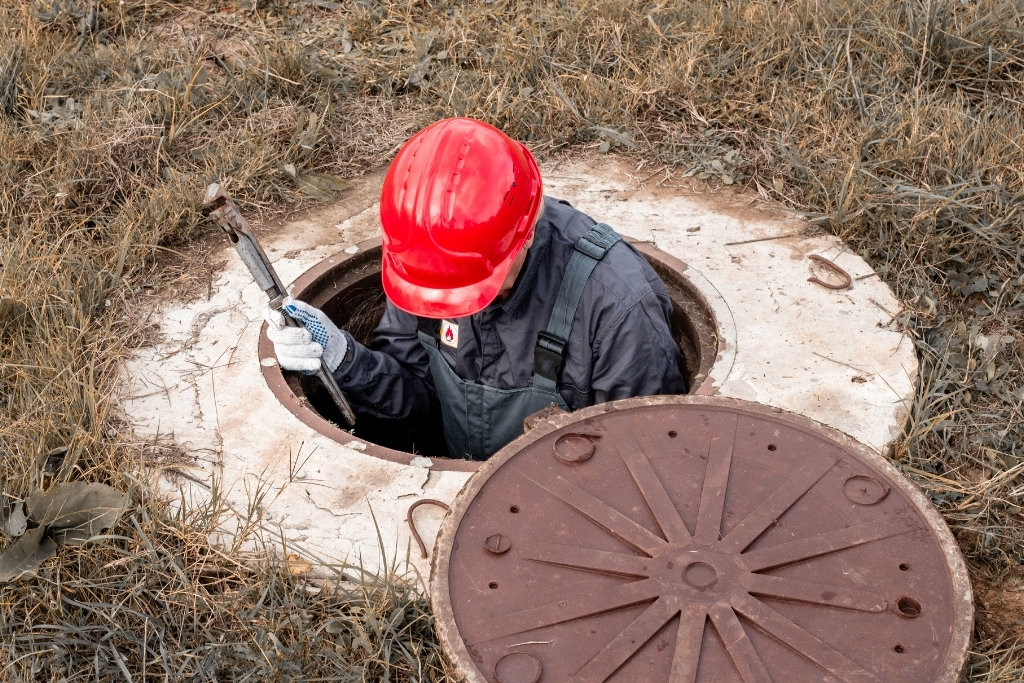
How to make your septic system last longer isn’t a secret; it’s a schedule. Routine inspections catch cracks, sludge buildup, and component failures before they cascade into system-wide damage. A professional look at a system every five years can add years, even decades, to its life.
At Gateway Septic, our team serves Mount Vernon, Stanwood, Oak Harbor, Sedro Woolley, and the broader Skagit County area with inspections, pumping, maintenance, repair, and full installations. We use best-in-class components and offer transparent pricing; no surprises, no upsells, just honest work from a team that’s been doing this since 1976.
Your Septic System’s Longevity Starts Today
The difference between a 15-year system and a 40-year system usually isn’t the equipment; it’s the decisions made around it, year after year. Pumping on schedule, protecting the drain field, being mindful of what enters your drains, and catching warning signs early; these aren’t complicated steps. They’re consistent ones. And consistency is what extends your septic system’s lifespan from average to exceptional.
Gateway Septic has been a trusted partner for homeowners across Stanwood, Oak Harbor, Mount Vernon, and Sedro Woolley for nearly five decades. With over 1,600 projects completed and a reputation built on reliable, affordable septic system care, our team knows what it takes to keep systems running at their best and, and what happens when they don’t. We bring the same standard of work to every job that we’d expect for our own home.
Don’t wait for a backup to start caring about your system. Call Gateway Septic today at 360-826-5520 to schedule your inspection or septic tank maintenance service. One call is all it takes.