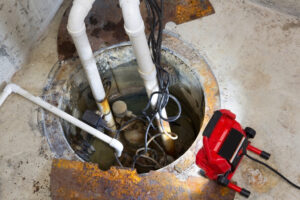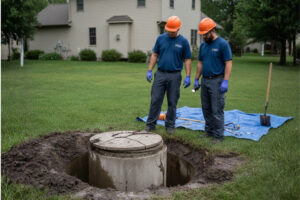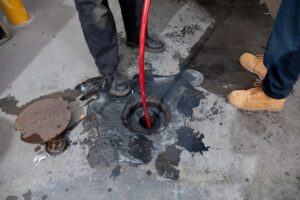

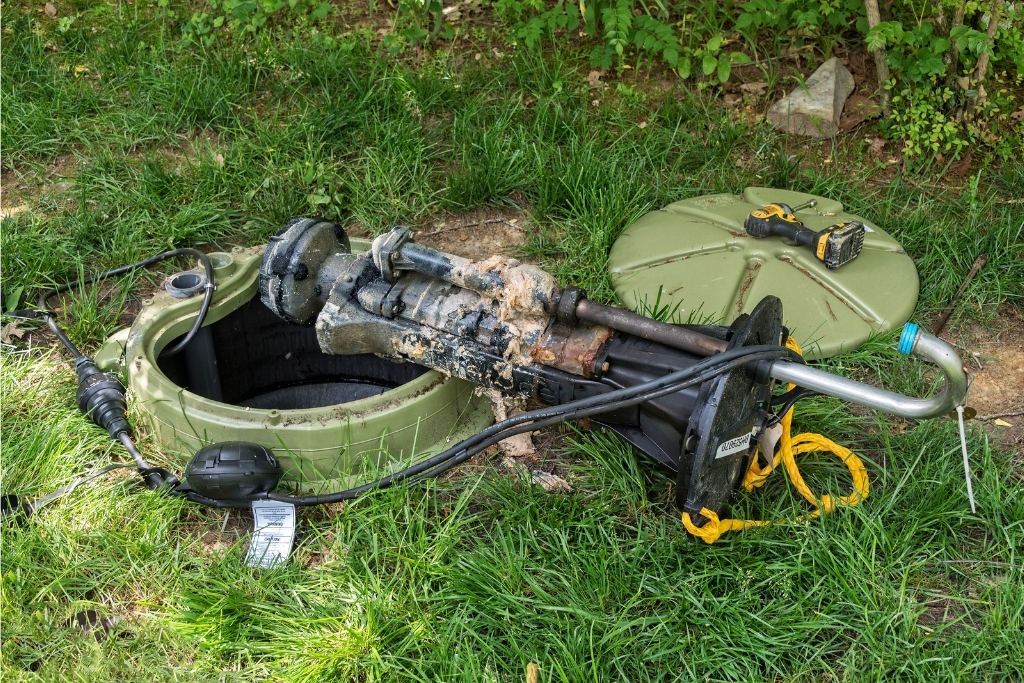
Winter brings those picture-perfect snowy mornings, the warmth of a crackling fire, and family gathered around for the holidays. But if you’re a homeowner in Mount Vernon, Stanwood, Oak Harbor, Sedro Woolley, or anywhere nearby, winter can also bring something nobody wants to deal with—septic system failures.
When the temperatures drop and the ground freezes solid, your septic system has to work harder than ever. Throw in all that extra water usage from holiday guests and longer showers, and you’ve got the perfect storm for things to go wrong. That’s why understanding winter septic tank problems and knowing what you’re doing when it comes to preventing septic backups in winter is so important. Trust us, you don’t want to be dealing with a sewage backup on Christmas morning, or any morning, for that matter.
Let us walk you through some practical winter septic safety tips that’ll help keep your system running smoothly all season long, so you can focus on enjoying winter instead of worrying about what’s happening underground.
Why Winter Poses a Risk to Septic Tanks
Your septic system handles daily household waste efficiently under normal conditions. Winter isn’t normal. Cold weather slows the bacterial breakdown that processes waste in your tank. Frozen soil blocks drainage fields from absorbing treated water. Shorter days mean more time indoors, which translates into longer showers, more laundry loads, and extra flushes when relatives visit for the holidays.
These factors don’t just add up—they multiply. Your system might handle cold temperatures on its own. It might handle increased usage alone. But both together? That’s when things back up and cause winter septic tank problems.
| Winter Challenge | What Actually Happens | Why It Matters |
| Cold Temperatures | Bacteria slow down or go dormant, so waste breaks down slower. | Tank fills faster than it processes waste. |
| Frozen Ground | Soil can’t absorb water from the drain field. | Wastewater has nowhere to go. |
| Increased Indoor Usage | More showers, laundry, and dishwashing from being indoors. | System gets overwhelmed by the higher volume. |
| Snow Cover | Can insulate the ground (helpful) but blocks access for emergencies. | Delays repairs when you need them most. |
Common Causes of Septic Tank Backups in Winter
Backups don’t announce themselves politely. One day, your toilet flushes fine; the next day, it doesn’t. Here’s what typically goes wrong:
Frozen components shut everything down.
Pipes freeze. Drain fields freeze. According to the top septic tank contractors in Mount Vernon who specialize in solving winter septic tank problems, when wastewater can’t leave your tank, it has only one direction—back into your house through drains and toilets.
Holiday guests overload the capacity.
Your system was sized for your household’s normal usage. Add three extra people for a week, and suddenly you’re generating 40-50% more wastewater than usual. The math doesn’t work in your favor.
Blockages that were manageable become disasters.
That grease you poured down the drain last summer? It’s been slowly building up. Cold weather makes grease solidify faster and more completely. Combined with reduced bacterial activity, minor clogs become total blockages.
Older systems fail under stress.
A septic tank installed 30 years ago might have small cracks or worn components that function adequately in summer but fail when temperatures drop and usage spikes.
Skipped maintenance catches up with you.
If you haven’t pumped your tank in five years, the accumulated sludge reduces effective capacity. Winter’s increased demand pushes the system past its limits.
For preventing septic backups in winter or other professional assistance, feel free to contact our experts at 360-826-5520.
Signs Your Septic Tank May Be Backing Up
Early signs of winter septic tank problems give you a chance to call professionals before sewage backs up into your house. Watch for these red flags:
Drains slow to a crawl.
Water sits in your sink longer than usual. Your shower pools around your feet. Toilets take two or three flushes to clear. These aren’t just annoying—they’re warnings.
Smells that don’t belong.
A septic odor around your house or yard means wastewater is escaping somewhere it shouldn’t. This isn’t just unpleasant, but a health hazard.
Water appears where it shouldn’t.
Pools of water or sludge near your septic tank or drain field during winter mean the system can’t process what you’re sending it.
Strange sounds from your plumbing.
Gurgling from drains or toilets indicates trapped air, which happens when water moves slowly through partially blocked pipes.
You’re calling for repairs constantly.
If your system needs attention every few months, winter will make existing problems much worse.
Catching these signs early means you can schedule a regular service visit instead of paying triple for an emergency repair later.
Preventive Measures to Avoid Winter Backups
Preventing septic backups in winter requires action before temperatures drop, not after problems start.
Before Winter Hits
Get a professional inspection in the fall.
A technician can spot minor issues like a crack forming, a pipe connection weakening, or sludge levels rising, and address them before they become winter emergencies.
Pump your tank if it’s due.
General rule: pump every 3-5 years, depending on household size and usage. If you’re approaching that window, do it before winter. Removing accumulated sludge gives your system maximum capacity when you need it most.
Insulate vulnerable areas.
Add mulch or straw over your drain field. This insulates the soil and helps prevent freezing. Don’t use heavy materials that compact the soil—you want insulation without crushing the drainage pipes below.
During Winter
Spread out water usage.
Top septic tank contractors in Stanwood caution against running three loads of laundry back-to-back. Space out showers. Run the dishwasher at night instead of right after cooking when you’ve also been running hot water for meal prep. Give your system time to process each batch of wastewater.
Keep grease, wipes, and chemicals out.
These never belong in septic systems, but winter makes them especially problematic. Cold temperatures make grease solidify faster. “Flushable” wipes don’t break down regardless of temperature. Harsh chemicals kill the bacteria your system depends on.
Maintain snow clearing around access points.
Keep a path to your tank’s access cover clear. If you need emergency service, technicians need to reach your tank. Three feet of snow blocking access adds hours to response time.
| Maintenance Task | When to Do It | Why It Prevents Backups |
| Professional Inspection | September–October | Catches problems before cold weather makes them worse. |
| Tank Pumping | Before winter if you’re close to being due | Gives you maximum capacity for all that extra holiday water usage. |
| Drain Field Insulation | Before the ground freezes | Keeps the soil warm enough for proper drainage. |
| Water Usage Management | All winter long | Prevents overwhelming your system’s capacity. |
| Keep Access Clear | After every snowfall | Ensures repair crews can reach your tank in an emergency. |
Emergency Steps to Take During a Septic Backup
Despite precautions, backups sometimes happen. Your response determines how bad the situation gets.
Stop all water usage immediately.
Don’t flush. Don’t run faucets. Don’t start the dishwasher or washing machine. Every gallon you add worsens the backup.
Keep people and pets away from affected areas.
Sewage carries bacteria and pathogens. This isn’t something you clean up with paper towels and disinfectant spray—it requires professional remediation.
Call Gateway Septic Services or another qualified professional.
According to the leading septic tank specialists in Sedro Woolley, this isn’t a minor issue that can be easily solved. Professionals have the equipment, protective gear, and expertise to handle sewage safely and resolve the underlying problem.
Document everything.
Take photos of standing water, affected areas, and visible damage. Your insurance might cover some costs, and documentation supports any claims you file.
Don’t try to “fix it yourself” with drain cleaners or snakes.
Chemical drain cleaners damage septic systems by killing beneficial bacteria. Drain snakes can puncture pipes if you don’t know what you’re doing. You’ll pay more to fix the damage from your attempted fix than you would’ve paid for professional service.
Long-Term Solutions for Winter Septic Safety
One-time fixes don’t solve recurring problems. Long-term winter septic safety tips focus on system health year-round.
Stick to a pumping schedule.
Don’t wait until problems appear. Regular pumping every 3-5 years (or whatever schedule your septic professional recommends based on how many people live in your home) stops sludge from building up and eating away at your tank’s capacity.
Consider system upgrades for older homes.
If you live in an older home, it might be time to think about system upgrades. Septic systems installed 30+ years ago weren’t designed to handle the amount of water modern households use every day. Upgrading now means you’re preventing problems instead of constantly patching up a failing system.
Use professionals for all repairs and installations.
Your neighbor who “knows about septic systems” isn’t qualified to install or repair them. Improper work causes problems that take years to appear—usually during winter when you least want to deal with them.
Protect pipes from extreme cold.
Insulate exposed pipes. Make sure your tank has adequate soil cover (at least 12 inches, more in very cold climates). Consider insulated risers for access points.
Schedule inspections before property sales.
Even if you’re moving, a failing septic system discovered during a buyer inspection costs you negotiating power. A pre-sale inspection lets you address issues proactively.
Gateway Septic Services serves Mount Vernon, Stanwood, Oak Harbor, Sedro-Woolley, and beyond with comprehensive solutions—inspections, pumping, repairs, and full system installations. Our team combines decades of experience with an understanding of local soil conditions and climate challenges specific to northwest Washington.
Protect Your Home and Peace of Mind
Your septic system is one of those things you never think about—until suddenly, it’s all you can think about. During winter, when freezing temperatures and extra water usage put stress on every part of the system, keeping it healthy becomes more important than ever.
The good news? A little preventive action goes a long way. By recognizing the early warning signs of winter septic tank problems and having a trusted professional in your corner, you can avoid the headache (and mess) of preventing septic backups in winter. Following those winter septic safety tips we talked about will help keep your home safe, comfortable, and running smoothly all season long.
Gateway Septic Services has been taking care of Burlington and the surrounding areas for over 45 years. Whether you need routine maintenance, an emergency repair at 2 a.m., or a complete system installation, we’ve got the experience and expertise that comes from thousands of successful service calls. We’ve seen it all, fixed it all, and we’re here to help you avoid it all. Call Gateway Septic Services today at 360-826-5520 and protect your home against winter septic tank problems before they start.
Don’t let winter catch you off guard. Let’s keep your system in great shape together.