

A drain field never announces when something has gone wrong. It sits under the lawn, quietly filtering wastewater through soil, and by the time a wet patch or a slow drain draws attention, the habit behind it may be two years old. A regular parking spot, a downspout aimed the wrong way, or a delayed pumping appointment rarely looks like a mistake when it happens.
That delay is what makes drain field problems so hard to trace for homeowners in Mount Vernon, Stanwood, Oak Harbor, and Sedro Woolley, where wet seasons already keep the ground working hard.
This guide follows how small choices turn into visible trouble, what the early signs look like, and which habits protect the system.
The Damage That Waits Quietly Beneath the Surface
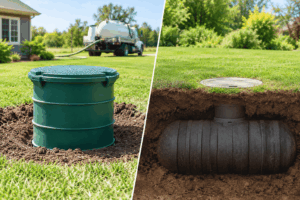
Most people picture septic trouble as something dramatic, such as a backup or standing wastewater. Yet septic drain field damage usually begins long before any of that appears. The drain field is the final treatment stage, where wastewater leaves the tank and filters through soil that removes much of what remains. As long as the soil stays healthy, none of this is visible.
Common Mistakes That Often Lead to Future Problems
- Driving vehicles across the field
- Parking boats, trailers, or RVs on it
- Building structures over it
- Planting trees with aggressive roots nearby
- Skipping routine pumping
- Directing roof runoff toward it
- Overloading the system with water
These habits share one trait: none of them causes immediate failure. Instead, they wear down the field’s ability to absorb and treat wastewater bit by bit.
Quick Reality Check
| Mistake | What You Notice Right Away | Long-Term Risk |
| Parking on the field | Usually nothing | Compacted soil |
| Heavy water use | Often nothing | Saturated field |
| Trees nearby | Very little | Roots entering pipes |
| Missed pumping | No obvious change | Solids reaching the field |
| Poor drainage around the field | A gradual effect | Constant oversaturation |
Because the early effects are so quiet, these mistakes are easy to overlook.
What’s Happening Underground During Those Two Years?
The symptoms may take a while to surface, but the changes underground begin almost immediately.
The Soil Starts Losing Its Ability to Absorb Water
A healthy field depends on well-aerated soil. Vehicles and repeated foot traffic press out the tiny air pockets that let water move and allow natural treatment to happen. Compacted soil absorbs more slowly, and over time the wastewater has fewer places to go.
Excess Moisture Creates a Chain Reaction
Skagit County’s rainy seasons can keep the ground damp for long stretches, especially around Mount Vernon, Sedro Woolley, and Stanwood. Extra water from these sources keeps the soil saturated longer than it should be:
- Downspouts
- Surface drainage
- Irrigation systems
- Grading issues
A saturated field cannot treat wastewater well, because the soil has no room left to take more in.
Solids Begin Moving Beyond the Tank
One of the most overlooked contributors to septic drain field damage starts inside the tank. The EPA notes that household tanks are typically pumped every three to five years, depending on household size and use. When pumping slips, solids can travel into the field, where they build up and restrict flow.
A Drain Field Usually Fails Slowly
| Stage | What Happens Underground | What You May Notice |
| First year | Soil begins to feel the strain | Usually nothing |
| Second year | Absorption slows down | Occasional slow drains |
| Later years | Saturation builds | Wet patches, odors, or a septic system backup |
Timing varies with soil, usage, and maintenance, but the pattern of quiet, gradual decline remains the same. It also explains why homeowners rarely connect today’s symptoms to a decision made years earlier.
The First Signs Most Homeowners Miss
By the time symptoms show, the field has usually been struggling for a while. The trick is catching them early.
Soggy Patches, Odors, and Slow Drains: Coincidence or Warning Sign?
Not every wet spot points to the septic system, and not every slow drain means the field is failing. Patterns matter far more than single events.
Potential Warning Signs
- Wet areas that persist in the yard
- Septic odors outdoors
- Drains that repeatedly empty slowly
- Gurgling fixtures
- Unusually lush grass over the field
- Water backing up during heavy household use
Homeowners commonly report these drain field failure signs before they call for service.
When a Soggy Yard Becomes a Concern
A soggy yard septic tank situation deserves attention when:
- The wet area keeps returning
- It persists in dry weather
- Odors come with the moisture
- It sits over the drain field
A single observation can mislead, but a repeated pattern rarely does, and together these are the classic signs of a failing leach field.
Why Homeowners Frequently Blame the Wrong Cause
Because the field is buried, people naturally reach for visible explanations first:
- Seasonal rain
- Plumbing fixtures
- Aging appliances
- Temporary clogs
- Landscaping changes
Any of these can play a part, but none always explains the root cause, and guesswork delays a professional evaluation. Too often, a septic system backup is the moment the real cause finally gets attention.
Are You Making This Mistake Right Now?
A more useful question than “is my field failing?” is “are my habits raising the risk?”
Drain Field Protection Checklist
- Do vehicles regularly cross the drain field?
- Is stormwater directed toward the area?
- Have trees been planted nearby?
- Has septic pumping been delayed?
- Is the field used for storage?
- Do you know exactly where the field is located?
If several of these raise concerns, schedule a professional evaluation soon.
Quick Tip: Address a concern before symptoms become obvious. Septic system drain field repair tends to be easier to plan when problems are caught early, and drain field replacement cost depends on factors such as field size, soil conditions, and site access, so early attention keeps more options open.
How Gateway Septic Helps Homeowners Stay Ahead of Trouble
The best drain field repairs are the ones homeowners never need because trouble was caught early. Since 1976, Gateway Septic has provided pumping, inspections, maintenance, repairs, and risers to homes in communities including Mount Vernon, Stanwood, Oak Harbor, and Sedro Woolley.
Routine inspections help spot developing concerns, and they also give home buyers a clear picture of a system’s condition.
Why Early Evaluation Matters
- Drainage concerns
- System stress
- Access issues
- Maintenance needs
- Early warning signs of future failure
The goal is to understand what is happening underground before a small issue turns into a major one, and steady septic drain field maintenance starts with that understanding.
Simple Habits That Protect Your Drain Field for Years
The good news is that protecting a field mostly comes down to steady, ordinary habits.
Best Practices for Long-Term Performance
- Follow the pumping schedule. Regular pumping keeps solids from reaching the field. Heavy equipment compacts the soil.
- Manage surface water. Direct roof runoff and drainage away from the field.
- Know where the field is. It prevents accidental damage during future projects.
- Schedule periodic inspections. The EPA advises inspecting the average household system at least every three years.
What the Numbers Tell Us
- More than one in five U.S. households depend on septic systems (EPA)
- The average household system should be inspected at least every three years (EPA)
- Household septic tanks are typically pumped every three to five years (EPA)
- Malfunctioning septic systems can contaminate groundwater and surface water (CDC)
Steady maintenance remains one of the most effective ways to lower the risk of future problems.
The Decisions You Make Today Shape Your Drain Field’s Future
The drain field mistake that shows up two years later is rarely one dramatic event. It is usually a handful of small choices that slowly change how wastewater moves through the soil.
For homeowners asking how long a septic drain field lasts, the honest answer depends on how well you protect and maintain it. Since 1976, Gateway Septic has offered pumping, inspections, maintenance, repairs, and risers across communities including Mount Vernon, Stanwood, Oak Harbor, and Sedro Woolley.
If you have noticed signs of a failing leach field or dealt with a septic system backup, call 360-826-5520 to schedule service and a free estimate.