
Introduction
Your septic drain field works silently underground, treating thousands of gallons of wastewater every year, until it doesn’t. Most homeowners never think about their system until sewage backs up into the shower or they notice a soggy patch in the yard that smells terrible. A clogged drain field isn’t just inconvenient; it’s expensive, potentially hazardous, and can contaminate your groundwater. The more you ignore the warning signs, the more serious the problem becomes. At Gateway Septic, we’ve saved many homeowners from disaster by finding septic drain field problems early.
In this guide, you can learn everything you need to know about keeping your drain field healthy. You’ll learn how to spot problems before they get worse, what causes them, and easy ways to keep your system running longer.
Understanding Your Septic Drain Field
The real work happens in your septic drain field. After the wastewater separates in the septic tank, it flows into your drain field through holes in pipes that are buried in gravel-filled trenches. The soil works as a natural filter, and good bacteria break down harmful substances.
A thin bacterial layer called biomat forms around your drain field. Small amounts help filter viruses and pathogens. But when it grows too thick, it chokes off drainage and creates septic drain field problems. Most properly maintained drain fields last 20-30 years. Skip the septic tank care, and you’ll see failure much sooner.
Common Causes of a Clogged Drain Field
Every clogged drain field has a story. Here’s what causes these failures and how to avoid them.
Too Much Water Usage
Overloading your septic system with too much water at once means your drain field can’t keep up. The soil gets waterlogged and stops absorbing effluent. Multiple loads of laundry in one day or leaky toilets can saturate your drain field. Space out water use and fix leaks immediately.
Skipping Tank Pumping
Can’t remember when your tank was last pumped? It’s overdue. Tanks need pumping every 3-5 years. Skip it, and solid waste escapes into your drain field, clogging soil pores. Regular pumping is cheap insurance against expensive drain field clog repair.
Flushing the Wrong Stuff
Grease, oils, wipes, feminine products, and harsh chemicals don’t belong in your drains. They kill beneficial bacteria or don’t break down. Chemical drain cleaners destroy the bacterial colonies that keep your septic tank working. Only flush toilet paper and human waste.
Tree Root Invasions
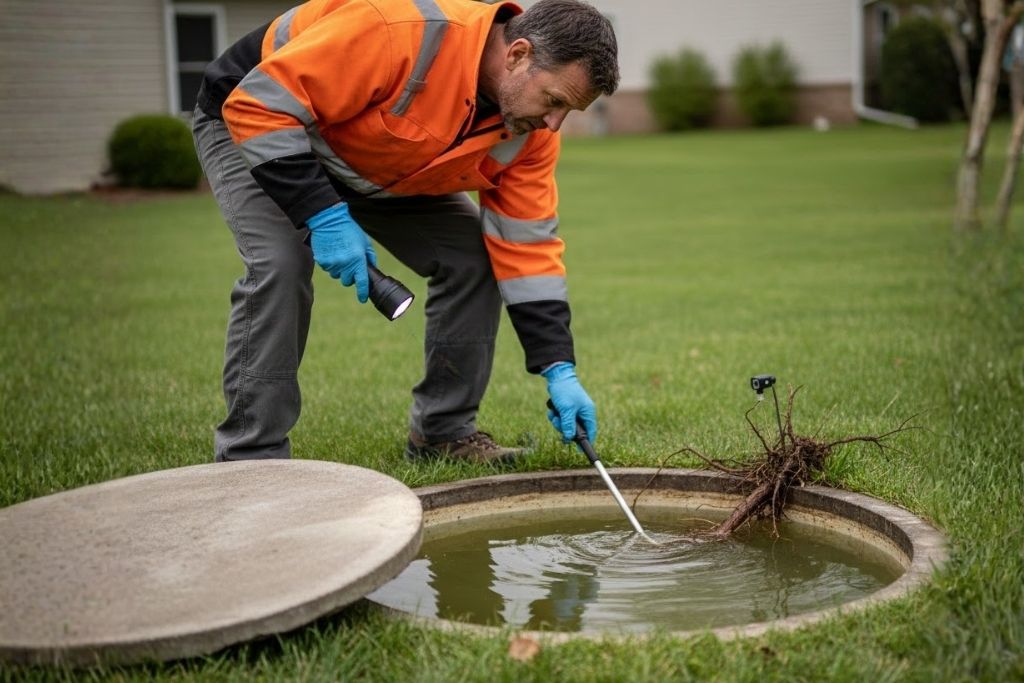
Tree roots love the moisture in your drain field. Once they find your pipes, they create blockages and break pipes. Keep trees at least 30 feet from your septic system.
REALITY CHECK: The Three Stages of Drain Field Failure
Most homeowners don’t realize their drain field fails in stages, not all at once. Recognizing which stage you’re in could save you thousands.
| Stage | What’s Happening | What You’ll Notice | Can It Be Fixed? |
| Early Warning | Biomat layer beginning to thicken | Occasional slow drains, slight odors near the tank | ✅ Yes—pumping and maintenance usually solve it |
| Moderate Failure | Soil infiltration was severely reduced | Frequent backups, soggy spots, strong sewage smell | ⚠️ Maybe—may need drain field clog repair or rest period |
| Complete Failure | The system can’t process wastewater | Constant backups, surface sewage, and health hazards | ❌ Likely needs full replacement |
Faulty Installation or Poor Design
Septic drain field problems can start even before you move in. Premature failure can happen because the systems are too small, the soil isn’t right, or the installation wasn’t done correctly. Get existing systems inspected before buying, and work with experienced professionals for new installations.
Warning Signs Your Drain Field Might Be Clogged
Your septic system talks through warning signs; you just need to listen. Catch these early and avoid a complete disaster.
Slow Drains Throughout the House
Multiple slow drains mean septic system trouble. When several fixtures drain sluggishly or gurgle, wastewater isn’t moving through your drain field properly. Lower-level drains show symptoms first. Don’t ignore these early drain field warning signs.
Sewage Odors Inside or Outside
A working septic system shouldn’t smell. Catching whiffs of sewage indoors or around your yard means something’s wrong. These odors happen when wastewater can’t drain through your clogged drain field. Call a professional immediately.
Standing Water or Soggy Lawn Areas
Wet, spongy patches near your drain field during dry weather? That’s untreated wastewater surfacing. These soggy areas often feature extra-green grass because sewage nutrients feed it from below. Standing water poses serious health risks.
Sewage Backing Up Into Your Home
When sewage backs up into toilets, showers, or sinks, your drain field is completely overwhelmed. Stop using all water immediately and call professionals. This drain field warning sign means you’ve gone past simple fixes.
Unusual Gurgling Sounds from Fixtures
If your drains or toilets make a gurgling sound, it means that air is stuck in your pipes. This happens due to a clogged drain field that hinders proper drainage. Your drain field is having trouble if you see these drain field warning signs.
Unusually Green Grass Over the Drain Field
Extra-green patches over your septic drain field are red flags. This unnatural growth means sewage nutrients are feeding your lawn from just below the surface. Schedule an inspection immediately.
Need Help? We’re Here for You
At Gateway Septic, we’ve been solving septic system maintenance challenges since 1976. Our family-owned business serves homeowners in Mount Vernon, Stanwood, Oak Harbor, Sedro Woolley, and throughout Skagit County. If you’re noticing any drain field warning signs, our technicians can diagnose septic drain field problems and recommend solutions. From routine septic tank care to drain field clog repair, we’ve got you covered. Call us at 360-826-5520 for honest service.
Preventive Maintenance Tips for a Healthy Drain Field
Most clogged drain field disasters are preventable. These maintenance tips keep your system running smoothly.
Pump Your Tank Every 3-5 Years
Regular pumping removes solids before they escape into your drain field. Most households need pumping every 3-5 years. Keep records and a schedule in advance. Preventive pumping beats emergency drain field clog repair.
Watch Your Water Consumption
Smart water usage protects your drain field. Spread laundry loads across the week. Install low-flow fixtures and fix leaks immediately. Small changes reduce strain on your septic system.
Watch What Goes Down the Drain
Only let toilet paper and human waste down the drain. Don’t put food scraps or grease down the sink. Don’t use chemical drain cleaners. Switch to septic-safe products. Healthier bacteria mean better septic system performance.
Plant Smart Around Your System
Keep grass over your drain field. Keep trees 30 feet away. Never drive vehicles over it; the weight compacts soil and crushes pipes. Mark boundaries clearly.
Arrange Regular Inspections
Professional inspections find small problems early on. Have your system checked out every one to three years. Regular checks stop things from going wrong.
Divert Surface Water Away
Your roof gutters and runoff shouldn’t go toward your septic drain field. Put in gutters that send water away. Make sure that the water on the surface flows away from the drain field area by grading your yard.
Protecting Your System: What Really Works
Your septic drain field processes everything your household sends its way 24/7. Consistent septic system maintenance matters. People are able to avoid septic drain field problems by keeping them in good shape. The best septic tank care is done by pumping it regularly, using water wisely, and having it inspected by a professional.
At Gateway Septic, we’ve spent nearly five decades helping homeowners in Mount Vernon, Stanwood, Oak Harbor, Sedro Woolley, and across Skagit County keep systems running smoothly. Our team has years of experience, the latest technology, and a real desire to help. As a family-owned business in the area, our reputation is important because we live and work here.
Need routine septic system maintenance? Dealing with an emergency drain field clog repair? Just want straight answers about your system? We’re ready to help. Give Gateway Septic a call at 360-826-5520 and let’s keep your septic system healthy and trouble-free.