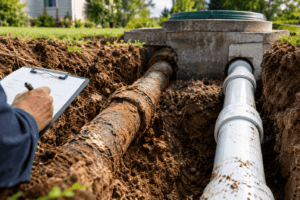

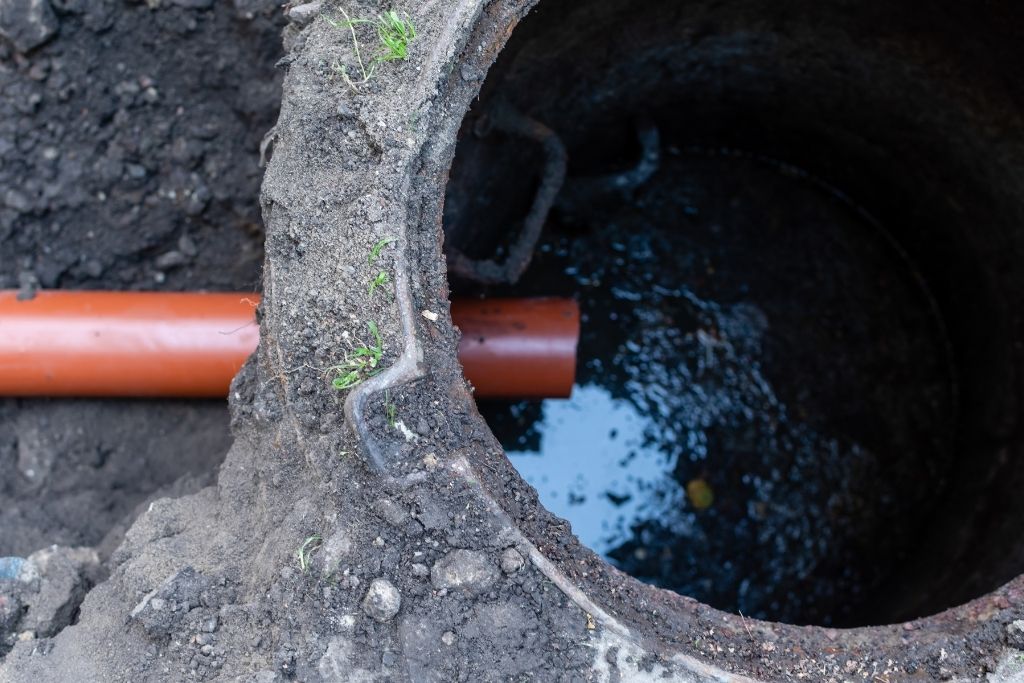
Septic tank issues usually start with small signs that are easy to brush off. A slow-draining sink. Odd gurgling sounds from the bathroom. A faint odor outside that doesn’t quite seem normal. Most homeowners don’t connect these early warnings to their septic system—until the problem gets impossible to ignore.
Homeowners in areas like Mount Vernon, Stanwood, Oak Harbor, and Sedro-Woolley know that septic systems work silently underground. Because everything is out of sight, septic system maintenance often gets pushed aside—until septic system problems surface. When routine care is overlooked, minor concerns can turn into serious septic tank issues that require urgent repair.
In this blog post, we’re going to walk through what your septic system actually does, what goes wrong when you ignore it, and how to avoid the nightmare scenarios that keep homeowners up at night.
Understanding Your Septic System
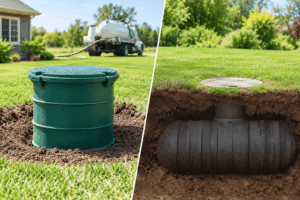
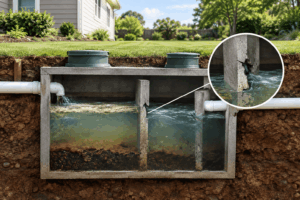
Not connected to the city sewer? Then you’ve got a septic system handling all your household wastewater. It’s pretty straightforward—there’s a buried tank that connects to what we call a drain field.
Here’s the breakdown:
- All wastewater from your house flows into the septic tank
- Heavy stuff sinks to the bottom, lighter liquids flow toward the drain field
- Bacteria in the tank do their thing and break down the waste
- Soil in the drain field acts like a final filter before anything reaches groundwater
Sounds pretty simple, right? But here’s the thing—these systems are more sensitive than most people realize. Too much water at once, the wrong stuff going down the drains, or just plain forgetting about septic system maintenance can throw everything out of balance.
The EPA says about 26 million homes in the U.S. depend on septic systems. That’s a lot of households that need to pay attention to what’s happening underground.
Common Problems Caused by Septic System Neglect
Here’s what most people don’t realize: your neglected septic system will send you signals before it completely fails. The trick is knowing what you’re looking at.
Typical Issues You Might Encounter
| Problem | What You’ll Notice | What’s Actually Happening |
| Slow drains | Water takes forever to go down—every sink, every shower | Your tank is filling up, or the drain field is starting to clog |
| Bad smells | A sewage smell in the yard or even inside the house | Waste isn’t flowing through the system the way it should |
| Puddles in weird places | Random wet spots appear in parts of the yard that are usually dry | The drain field is failing or the system is overflowing |
| Super green grass | One patch of lawn looks unusually thick and bright | Nutrients from leaking sewage are feeding that grass |
| Constant plumbing problems | You’re calling the plumber far too often | Tree roots, buildup, or serious septic tank issues are developing |
Most septic system problems don’t just appear overnight. That slightly sluggish drain you noticed last Tuesday? Next month, it’s a backed-up toilet. That faint odor you caught once? Give it time—it’ll become overwhelming.
The Root Causes
Why do these problems happen? Usually comes down to a few common mistakes:
- Nobody’s pumping the tank regularly, so solids keep piling up
- Too much water hits the system at once—like doing six loads of laundry on Saturday
- People flush things that kill off the good bacteria or create clogs
- Small warning signs get ignored until everything falls apart
The CDC points out something important: when you keep up with septic system maintenance, you dramatically cut the risk of contaminating groundwater. That matters when your neighbors are drinking from wells.
Health and Environmental Risks
A neglected septic system isn’t just annoying or expensive. It can actually make people sick and damage the environment around your home.
Contaminated Water
When your septic system fails and wastewater leaks into the ground, it goes somewhere—usually toward water sources. Out here, where many folks have well water, that’s a real problem. Contaminated well water isn’t something you want your family drinking.
Disease Risk
Raw sewage contains bacteria, viruses, and parasites that cause illness. When that stuff backs up into your home or pools in your yard, people can get exposed. We’re talking about:
- Stomach bugs that hit the whole household
- Skin infections from touching contaminated water
- Breathing problems from pathogens in the air
- Nasty stuff like E. coli and hepatitis is spreading around your property
Environmental Damage
Failed systems release raw sewage into soil and streams. Plants die, ecosystems get disrupted, and the damage spreads. In areas like where Gateway Septic Services works—places with rivers, streams, and rich natural environments—this becomes a bigger concern.
What Happens When Systems Fail
| Problem Type | How Bad Is It? | The Numbers |
| Groundwater gets contaminated | Serious | Over 168,000 homes are affected every year |
| People get sick from waterborne illness | Moderate to serious | Around 13,000 cases are reported annually |
| Local environment suffers damage | Serious | About 1 in 4 septic systems nationwide |
Data from the EPA
Bottom line? A neglected septic system can make your family sick and damage the land around your home.
Financial Consequences of Neglect
Let’s talk about money, because ignoring your septic system hits your wallet hard.
Rising Costs
When a system starts failing, costs add up fast:
- Emergency septic system repair calls
- Replacing the entire drain field
- Fixing foundation damage from water getting where it shouldn’t
- Re-doing your landscaping after they dig everything up
How much you’ll pay depends on your property, soil type, how easy it is to access your system, and the extent of the damage. What matters is this: regular check-ups and maintenance cost way less than emergency fixes.
Impact on Property Value
Thinking about selling your property someday? A neglected septic system can torpedo your sale. Home inspectors check septic systems carefully. Buyers see problems or missing maintenance records, and they walk. Many won’t even make an offer without proof that the system’s been properly maintained.
Preventive Measures to Avoid Septic System Problems
Good septic system maintenance doesn’t take much—just regular attention and some common sense.
Schedule Regular Maintenance
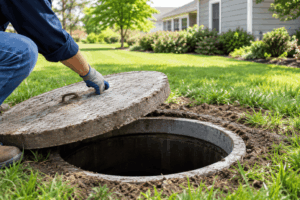
Most homes need a professional to inspect and pump the tank every 3-5 years. Your situation might be different depending on how many people live there and how much water you use.
What needs to happen:
- Someone qualified should inspect your tank regularly
- Get it pumped before solids build up too much
- Keep an eye on how well your drain field is working
Manage Water Usage Wisely
Dumping too much water into your system at once overwhelms it. Try these approaches:
- Spread out laundry throughout the week instead of marathon washing sessions
- Fix leaky faucets and running toilets when you notice them
- Put in water-saving showerheads and efficient appliances
Be Extremely Careful What You Flush
Here’s a simple rule: only toilet paper and human waste go down the drain. Everything else—even those wipes marked “flushable”—can wreck the bacterial balance and create nasty clogs.
Protect Your Drain Field
Don’t park cars, build sheds, or plant trees with deep roots over your drain field. Compacted soil and roots cause damage that sneaks up on you over time.
How Often Should You Pump?
| How Many People | Tank Size | When to Pump |
| 1–2 people | 750–1,000 gallons | Every 5–7 years |
| 3–4 people | 1,000–1,500 gallons | Every 3–5 years |
| 5 or more people | 1,500+ gallons | Every 2–3 years |
Guidelines from the EPA
When to Call a Professional Plumber
Some warning signs mean you need professional help immediately. Don’t wait if you see:
Critical Warning Signs
- Sewage smell that won’t go away
- Water backing up into sinks or toilets
- Strange gurgling noises from multiple drains
- Soggy, wet ground near your septic area
These are clear indicators of septic system problems that need expert attention before things get worse.
What Experts Will Do
When you call in aseptic system repair and maintenance technician, here’s what they do:
- Run cameras and testing equipment to inspect your system
- Pump out your tank and clean it properly
- Fix broken pipes, baffles, and other failing parts
- Add access risers so you don’t have to dig next time
- Catch problems early before they get expensive
Regular visits—not just emergency calls—keep your costs down and your stress level low.
Staying Ahead: Tips Homeowners Love
These habits keep your system running smoothly:
- Set up a maintenance calendar. Mark your inspection dates and pumping schedule in advance.
- Keep good records. Write down every service call, inspection, and repair.
- Teach your household. Make sure everyone knows what can and can’t go down the drains.
- Jump on problems early. Ignore a small issue, and it turns into an expensive disaster.
Following these straightforward practices keeps minor hiccups from draining your bank account.
Final Summary: Keep Your Septic System Strong & Reliable
Most homeowners forget their septic system exists because it does its job quietly in the background, managing wastewater without any drama. But without proper care, they fail—bringing unpleasant odors, health risks, environmental damage, and repair bills that hurt.
The good news? Most of these problems are completely preventable. Regular maintenance, smart water use, and professional help when you need it—that’s all it takes to avoid the complications of neglected septic systems.
For homeowners around Mount Vernon, Stanwood, Oak Harbor, and Sedro Woolley, Gateway Septic Services brings years of hands-on experience to every job. We do it all—new installations, routine pumping, thorough inspections, and repairs. After years of working with septic systems in this area, we know what local homeowners deal with and how to fix it fast.
Ready to protect your home and investment? Give us a call at 360-826-5520 to schedule your septic maintenance or repair service. We’ll take care of it so you don’t have to lose sleep over it.