

If you own a home with a septic system, you’ve probably wondered: How long does my septic tank actually last? The truth is, a septic system isn’t something most people think about every day, until there’s a problem. And when problems come up, they can be expensive, stressful, and disruptive. That’s why knowing the average septic tank lifespan and what you can do to extend it can save you time, money, and headaches in the long run.
In this guide, we’ll break down everything you need to know about septic tank longevity in a clear, straightforward, and engaging way. We’ll cover the lifespan of different types of tanks, including concrete versus plastic septic tank lifespan, the factors that affect their overall lifetime, warning signs to watch out for, and how regular septic tank repairs, cleaning, pumping, and maintenance services in Oak Harbor, Mount Vernon, Stanwood, Burlington, Sedro Woolley, and surrounding areas can make a significant difference. By the end, you’ll be armed with practical knowledge that keeps your system working smoothly for decades.
The Big Question: How Long Does a Septic Tank Last?
On average, a septic tank lasts 20 to 40 years. But that’s just a ballpark figure. According to the top septic tank inspection service specialists in Skagit County, some systems run efficiently for 50 years, while others fail within 15 years or less. The difference often comes down to three factors:
- Material of the tank
- How well it’s maintained
- How much it’s used (and abused)
Here’s a quick breakdown:
What Impacts Your Septic Tank’s Lifespan?
Even the most credible septic tank repair contractors in Mount Vernon believe that septic units don’t come with an expiration date. Their durability depends on how they’re treated. Here are the key factors that make the biggest difference:
Tank Material
- Concrete: The most durable, often lasting 40+ years when installed correctly. However, poor-quality concrete can crack sooner.
- Fiberglass/Plastic: Lighter, easier to install, and resistant to rust—but more prone to shifting or damage if the soil moves.
- Steel: Strong at first, but rusts quickly. Many steel tanks fail within 15 to 20 years.
Maintenance Habits
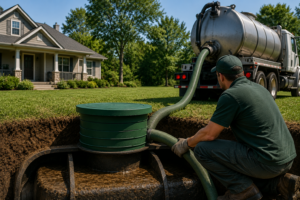
A tank that’s pumped every 3–5 years can last decades longer than one that’s neglected. Professional septic tank pumping service in Oak Harbor, Stanwood, or neighboring communities can help remove solid waste that would otherwise clog or damage the system.
Household Size & Water Usage
A family of six puts a lot more strain on a septic tank than a retired couple. More showers, laundry, and dishes mean more wastewater flowing through the system.
What Goes Down the Drain
Flushing wipes, grease, or harsh chemicals can reduce the lifespan of your tank. Septic systems rely on healthy bacteria to break down waste, and harsh cleaners can kill these beneficial microorganisms.
Soil & Drainfield Conditions
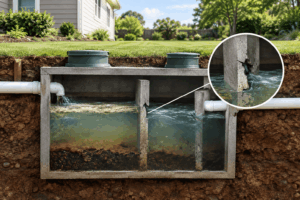
Even if your tank is in great shape, a failing drainfield (the area where wastewater is absorbed) can cause backups and failure, negatively affecting the average life of a septic system.
Signs Your Septic Tank Might Be Failing
The earlier you catch a problem, the easier (and cheaper) it is to fix. Watch for these common warning signs of a failing septic system tank:
- Slow drains or gurgling toilets
- Sewage odors in the yard or near drains
- Standing water or soggy spots in the yard
- Sewage backups inside the home
- Bright green patches of grass above the drainfield (a sign of leaks)
If you notice any of these issues, don’t wait—call a reliable septic professional, such as Gateway Septic, immediately.
How to Make Your Septic Tank Last Longer
Want to get the most life out of your septic system? Follow these simple but effective suggestions:
- Pump regularly: The recommended interval is every 3 to 5 years.
- Be mindful of what you flush: According to the top septic tank pumping and cleaning professionals in Sedro Woolley, stick to human waste and toilet paper.
- Spread out laundry loads: Doing all your laundry in one day floods the system.
- Fix leaks quickly: Even a dripping faucet adds up to gallons of water.
- Protect your drainfield: Leading septic tank inspection service specialists in Burlington recommend avoiding parking cars or planting trees over it.
- Use septic-safe cleaners: Harsh chemicals can throw off the balance.
Maintenance Checklist for Homeowners
Keeping up with septic maintenance doesn’t have to be complicated. Here are some simple septic tank maintenance tips to follow:
- Pump every 3–5 years
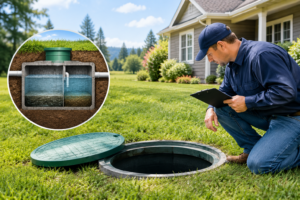
- Inspect annually for cracks, leaks, or odors
- Keep records of service and pumping
- Watch for slow drains or unusual smells
- Limit the use of bleach and antibacterial products
Common Myths About Septic Tanks
There’s a lot of misinformation out there about septic systems. Let’s clear up a few myths:
- Myth: “You only need to pump when there’s a problem.”
- Truth: By then, it’s often too late. Pumping prevents problems.
- Myth: “Additives keep you from needing pumping.”
- Truth: No additive replaces pumping. Some can even harm your system.
- Myth: “Septic systems last forever.”
- Truth: Every tank has a lifespan. Regular care just helps maximize it.
Cost of Replacement vs. Maintenance
Think of your septic system like a car engine. If you ignore it, small issues turn into breakdowns that are expensive, messy, and disruptive to your life. Replacing a system isn’t just inconvenient—it can mean tearing up your yard, interrupting household routines, and facing weeks of hassle.
By contrast, regular maintenance is simple, predictable, and protective. Professional septic tank pumping, cleaning, inspections, and mindful water use help keep your system in Skagit County and nearby areas efficient, extending its lifespan for decades. Homeowners who invest in maintenance rarely face surprise emergencies, while those who wait until something breaks often find themselves in a cycle of repairs.
In short, consistent care is the smarter, cleaner, and far less stressful path. With a reliable partner like Gateway Septic, you can rest easy knowing your system is always working quietly in the background—exactly the way it should.
Septic System Maintenance Schedule
Keeping track of what your septic system needs (and when) can feel overwhelming, but a simple schedule makes it easier. Regular upkeep prevents emergencies and helps extend the life of your tank. Here’s a quick guide:
| Task | Frequency | Why It Matters |
| Pumping the tank | Every 3–5 years | Prevents solids from building up and causing clogs or backups. |
| Professional inspection | Every 1–3 years | Identifies leaks, damage, or early warning signs before they become expensive. |
| Filter cleaning/replacement | Annually (or as needed) | Keeps wastewater flowing smoothly and reduces risk of blockages. |
| Watch water usage | Daily habit | Conserves system capacity and lowers the risk of overload. |
| Avoid flushing non-biodegradables | Always | Protects pipes, tank, and drain field from unnecessary stress. |
Pro Tip: Keep a log of every inspection, pump, and repair. It makes future service easier and helps professionals understand your system’s history.
Final Thoughts
Your septic system might be out of sight, but it should never be out of mind. Many homeowners wonder how long does a septic tank lasts, and the truth is, the average life of a septic tank depends on regular care and proper use. With the right approach, a tank’s septic tank lifespan can stretch for decades, safeguarding your property, your family’s health, and the environment.
Material choices also play a role. For example, the comparison between concrete and plastic septic tanks often arises, and each option has its own strengths. However, both will last longer with consistent maintenance. Ignoring signs of a failing septic tank, such as slow drains, foul odors, or wet spots in the yard, can dramatically shorten its lifespan, leading to costly septic tank repairs, pumping, cleaning, and inspection services in Oak Harbor, Mount Vernon, Stanwood, Burlington, Sedro Woolley, and surrounding locations.
That’s why following proven septic tank maintenance tips is essential. From timely pumping to professional inspections, small steps now prevent major headaches later. And that’s where Gateway Septic makes the difference. As Washington’s trusted septic experts, we don’t just show up when there’s a problem; we actively partner with homeowners to prevent issues before they arise. Whether it’s routine maintenance or emergency service, we deliver reliable care backed by years of local expertise and a reputation for honesty.
By choosing us, you’re not just protecting your septic system, but also gaining peace of mind knowing that one of the most important parts of your home is in good hands.
Contact us at 360-826-5520 to schedule an appointment with our team today.