

A passing septic tank inspection can create a false sense of security. Twelve months later, a homeowner in Mount Vernon might be selling their home, or a property owner in Stanwood, Oak Harbor, or Sedro Woolley might simply be meeting a routine county requirement, when the inspector delivers news nobody expects: the system did not pass this time.
It’s a confusing outcome. Nothing seemed different. Nothing was reported as broken. So how does a system that was fine last year suddenly fail?
The honest answer is that a septic system isn’t a fixed structure sitting quietly underground. It’s an active system that processes thousands of gallons of wastewater a year and responds to everything from weather to daily water use. The EPA notes that roughly one in five American households rely on septic systems, and that problems with these systems tend to develop gradually rather than all at once.
For homeowners across Skagit County, understanding why a passing result can turn into a septic tank failed inspection the following year is the first step toward staying ahead of it.
Understanding How Septic Inspections Work
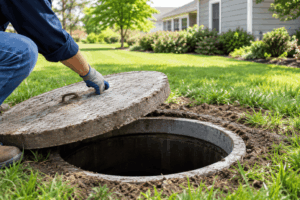
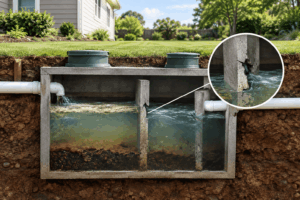
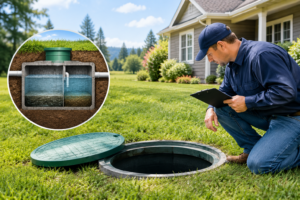
A septic tank inspection isn’t a simple pass-or-fail glance. Inspectors evaluate several components working together, including:
- Tank condition and structural integrity
- Baffles and effluent filters
- Pump chambers and controls
- Drainfield performance
- Water levels inside the tank
- Signs of leakage or backups
- Maintenance history
In Skagit County, how often this happens depends on the system. Conventional gravity systems are typically inspected every three years, while alternative systems often require annual review. A passing result only reflects the system’s condition on that specific day. It’s less like a permanent certificate and more like a snapshot, similar to how a roof can look fine in spring and start leaking after a rough winter.
Why a Septic Tank Can Fail After Passing Last Year
Most failures aren’t the result of an earlier inspector missing something. They happen because the system itself changed in the months between visits, usually for one of four reasons:
| Cause | What Typically Changes |
| New wear and tear | Cracked lids, damaged baffles, a worn filter |
| Groundwater or soil shifts | Wetter ground, more pressure on the drainfield |
| Higher water usage | More people or guests using the same system |
| Skipped maintenance | Small issues going unnoticed underground |
New Damage That Developed Over Time
Every flush, shower, and laundry cycle puts wear on a septic system. Over a year, that can translate into cracked tank lids, damaged baffles, a failing effluent filter, or early root intrusion, none of which may have been present during the last septic system inspection. A tank lid that cracks after a wet winter and several freeze-thaw cycles is a common example. The system didn’t fail because of a bad first inspection. It failed because conditions changed.
Changes in Groundwater or Soil Conditions
This matters especially for homeowners around Mount Vernon, Stanwood, and parts of Oak Harbor, where seasonal moisture swings are significant. Rising groundwater and saturated soil can lead to:
- Reduced drainage capacity
- Extra hydraulic pressure on the system
- Standing water near the drainfield
The EPA points out that excess water around or inside a septic system can interfere with proper treatment, and site conditions play a real role in how well a system performs. A system inspected during a dry stretch can behave differently after a long, wet season, which doesn’t necessarily mean permanent failure, but it can surface concerns that weren’t visible before.
Increased Household Water Usage
Sometimes the system hasn’t changed much at all. The household has. A retired couple in Mount Vernon might pass inspection one year, then have adult children move back home or host guests more often the next, quietly pushing water usage well above what the system was evaluated for. Warning signs of that kind of overload tend to build gradually:
- Slow drains
- Gurgling fixtures
- Wet patches near the drainfield
- Outdoor odors
Lack of Routine Maintenance
This is the factor that shows up most often in failed inspection reports. Septic systems don’t need daily attention, but they do need consistent care. Without it, septic tank problems tend to follow a familiar pattern:
- Sludge builds up faster than expected
- Small mechanical issues go unnoticed
- Minor damage has time to spread
Skipping septic system maintenance because everything “seems fine” is often exactly how small issues turn into inspection failures a year later.
Different Inspectors May Notice Different Problems
A second failed result doesn’t mean the previous inspector was wrong. Just as two doctors might focus on different parts of the same exam, two qualified inspectors can reasonably flag different concerns depending on:
- How accessible the tank was during the visit
- Weather and soil conditions at the time
- Recent water usage patterns
- Available maintenance records
- Symptoms present that day
A later inspector often observes a system that has simply evolved since the last visit, without contradicting an earlier finding.
Common Issues That Trigger a Failed Inspection
Certain septic tank problems show up repeatedly in failed inspection reports throughout Mount Vernon, Stanwood, Oak Harbor, Sedro Woolley, and the surrounding areas:
- Structural damage to the tank, including cracks, deteriorated concrete, or a damaged lid that allows leakage or groundwater intrusion
- Failing or saturated drainfields, often signaled by standing water, persistent odors, or poor absorption, which tends to show up more in Western Washington’s wetter months.
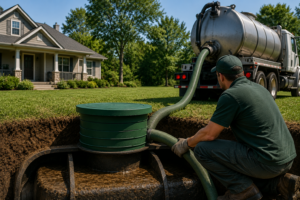
- Excessive sludge and scum buildup, usually a sign that septic tank pumping has been overdue for some time
- Mechanical issues with pumps, floats, alarms, or control panels, which can affect results even when the rest of the system looks fine
Septic Tank Inspection Checklist
| What Inspectors Review | Why It Matters |
| Tank structure and lid | Flags cracks or leakage risk |
| Baffles and filters | Confirms proper wastewater flow |
| Pump and controls | Verifies mechanical function |
| Drainfield condition | Shows how well wastewater disperses |
| Water levels in tank | Can reveal backups or slow leaks |
| Maintenance records | Demonstrates a history of care |
A failed inspection rarely means every item on this list is a problem. In most cases, it’s one or two components driving the result.
What to Do If Your Tank Fails This Year
The most useful response to a septic tank failed inspection isn’t worry. It’s information.
Request a Detailed Inspection Report
Ask for documentation that spells out exactly which components were reviewed, what was flagged, and how serious the concern is. Clear answers here remove most of the guesswork.
Ask Which Components Caused the Failure
Not every failure carries the same weight. Missing records or a damaged lid is a very different situation from a failing drainfield or structural tank damage, and knowing which one you’re dealing with helps set realistic expectations before assuming the worst.
Consider a Second Opinion if Needed
This isn’t about doubting the first inspector. A second evaluation can add clarity, confirm recommended repairs, and build confidence in the next step, particularly before committing to significant work.
Schedule Repairs Promptly
Minor issues rarely stay minor if they’re ignored. Addressing a septic tank repair early tends to protect groundwater, limit further damage, and prevent long-term costs from growing as they would if the same issue went untouched for another year.
How to Reduce the Chances of a Future Failure
No septic system lasts forever, but a good number of failed inspections are preventable with consistent attention:
- Keep up with septic tank pumping and scheduled septic inspections rather than waiting until a required deadline.
- Save service records, since a documented history often works in your favor during future inspections or a property sale.
- Monitor household water use, especially after a change in occupancy or when guests stay longer than usual.
- Pay attention to early warning signs, such as slow drains, odors, or soggy patches near the drainfield, before they become bigger problems.
Preventive Habits and What They Protect
| Habit | What It Helps Prevent |
| Routine pumping | Solids buildup and drainfield stress |
| Scheduled inspections | Undetected structural or mechanical issues |
| Prompt repairs | Larger, more expensive damage later |
| Mindful water use | Overloading and hydraulic strain |
| Maintenance records | Confusion during future inspections |
Local conditions play a role too. Homeowners around Mount Vernon, Stanwood, Oak Harbor, and Sedro Woolley often deal with seasonal rainfall and shifting groundwater that can affect a system long before any symptoms surface, which is part of why routine septic tank inspection matters even when everything still looks normal.
Looking Beyond the Inspection Report
A failed inspection can feel discouraging, especially when the system passed just a year earlier. But septic systems respond to usage, weather, and time in ways that a single report can’t fully predict, and a new finding is usually revealing a change rather than correcting a mistake. Gateway Septic has served Skagit County since 1976, offering septic inspections, septic tank pumping, repair, and ongoing maintenance for homeowners throughout the region.
Because our team lives in the communities it serves, from Sedro-Woolley and Stanwood to Oak Harbor and Mount Vernon, we bring a level of local knowledge that generic providers can’t match, paired with transparent pricing and environmentally responsible waste management. That mix of decades of hands-on experience and a genuine stake in the region is what makes Gateway Septic a trusted, single-call resource for any septic need.
If your system recently failed an inspection or you simply want more confidence in its condition, reach out to us at 360-826-5520 to schedule an evaluation and discuss the right next step for your property.